
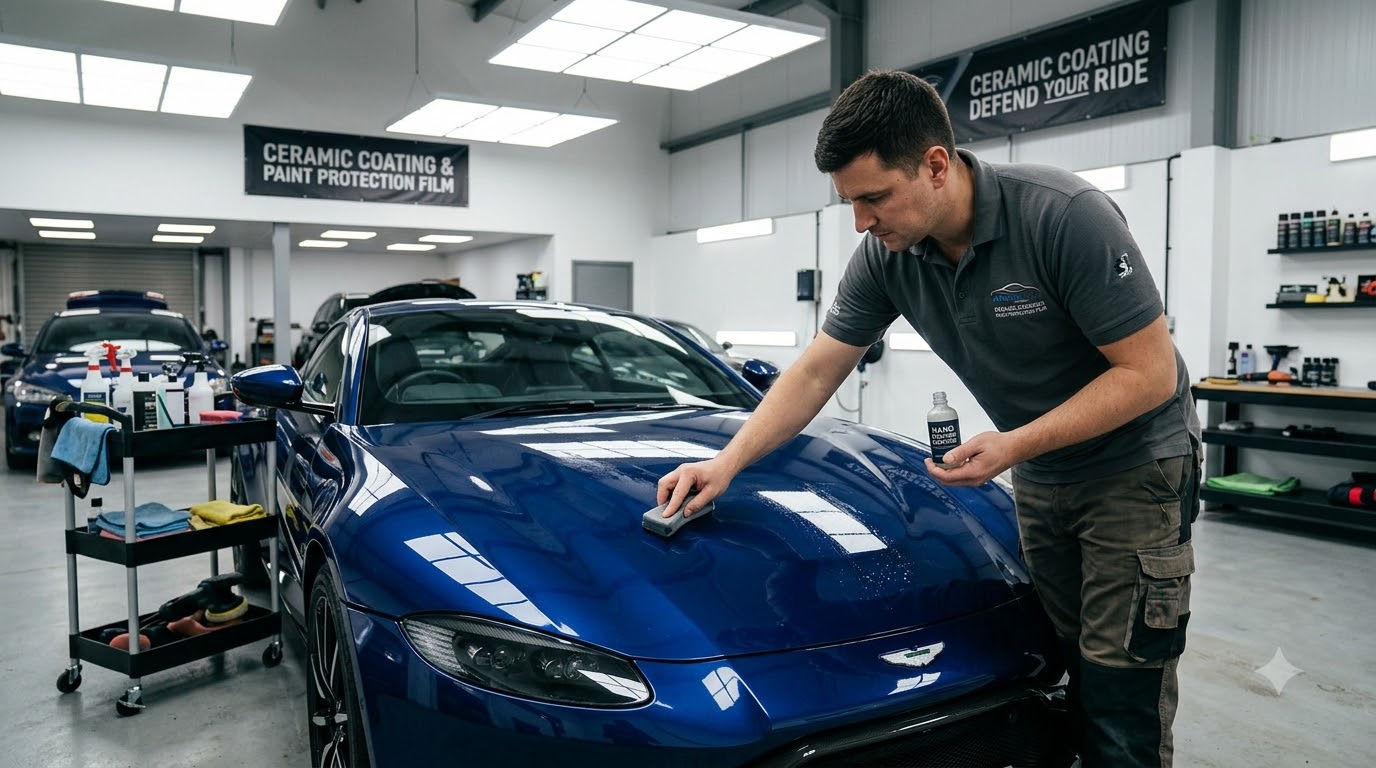
Picking up a new vehicle is one of the most satisfying experiences for any car enthusiast. The bodywork displays a deep, glass-like reflection, the clear coat is pristine, and the surface feels completely smooth. However, after just a few weeks of daily commuting, the realities of Australian roads begin to take their toll. Loose gravel, road debris, harsh ultraviolet radiation, and acidic environmental fallout gradually wear down that factory finish.
When car owners seek to restore or preserve their vehicle’s exterior, they often encounter two distinct automotive detailing terms: paint correction and paint protection. While these processes are complementary, they serve completely different physical purposes. Confusing the two can lead to mismatched expectations and unnecessary expenditure. For electric vehicle owners seeking to shield their vehicle’s soft factory finish, investing in specialised Tesla PPF Brisbane solutions offers a proactive defense, whereas paint correction addresses damage that has already occurred. Understanding how these two approaches interact is essential for maintaining long-term vehicle value.
Paint Correction: Restoring Surface Clarity
Paint correction is a restorative, subtractive process designed to eliminate existing physical defects within a vehicle’s clear coat. Over time, improper washing techniques, automatic car washes, and harsh drying towels introduce microscopic scratches known as swirl marks. Additionally, bird droppings, tree sap, and industrial fallout can cause chemical etching, creating dull patches across the panels.
To rectify these imperfections, professional detailers use rotary or dual-action polishing machines combined with abrasive compounds and pads. This process systematically levells the top layer of the clear coat by a matter of microns, smoothing out the ridges of the scratches so light reflects evenly off the surface once again.
Key characteristics of paint correction include:
- Subtractive Nature: The process physically removes a tiny layer of clear coat to smooth out surface scratches. Because modern factory clear coats are thin, paint correction can only be performed a limited number of times over a vehicle’s lifespan.
- Aesthetic Focus: It dramatically enhances gloss, depth, and clarity, eliminating spiderweb swirls and haze.
- Zero Future Shielding: Paint correction restores visual perfection, but it offers no physical defense against future stone chips, environmental acids, or washing scratches.
Paint Protection Film: Defending Against Physical Impact
While paint correction fixes past damage, paint protection film (PPF) is engineered to prevent future harm. PPF is a high-grade, optically clear polyurethane membrane applied directly over the painted panels of a vehicle. Originally developed for military applications to protect helicopter rotor blades, modern automotive films are virtually invisible once installed.
Unlike liquid ceramic coatings or traditional waxes, a polyurethane film possesses physical thickness (typically between 150 to 200 microns). This elastomeric barrier acts as a shock absorber against high-velocity road debris, stone impacts, and physical scuffs.
Key advantages of paint protection film include:
- Impact Absorption: The elastomeric polyurethane layer absorbs and disperses the energy of flying rocks and gravel, preventing stone chips from penetrating down to the bare metal or primer.
- Self-Healing Properties: High-quality films feature an elastomeric top coat that heat-heals. Minor wash swirls and fine scratches disappear automatically when exposed to direct sunlight or warm water.
- Chemical Resistance: PPF forms an impenetrable barrier against acidic bird droppings, bug splatter, tree sap, and road salt, preventing chemical etching from reaching the underlying paint.
Why Correction and Protection Work Best Together
Choosing between correcting paint and protecting paint is rarely an either-or decision; rather, it is a matter of correct sequencing. Applying protective film over scratched, oxidised, or etched paint permanently locks those visual defects beneath the clear layer.
For the best possible result, detailers perform a multi-stage paint correction first to ensure the surface beneath is flawless. Once the clear coat is polished to high clarity, the protection film is precisely applied over high-impact zones, such as the front bumper, bonnet, mirrors, and side skirts.
By pairing surface correction with physical film protection, car owners preserve the structural integrity of their factory paint, maintain high visual depth, and protect thousands of dollars in resale value for years to come.